
Category: Energia
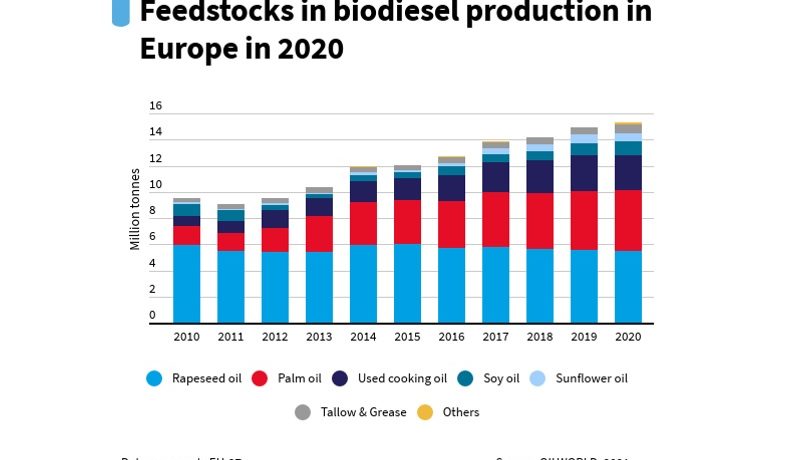
Forest destructions for biodiesel. 10 years of EU’s failed biofuels policy has wiped out forests the size of the Netherlands. Europe’s thirst for biodiesel to fuel its cars and trucks has likely wiped out forests the size of the Netherlands since the introduction of the EU’s green fuels law in 2010 [1], a new study shows. T&E, who carried out the study, calls on the EU to end support to palm and soy biodiesel immediately to avoid further deforestation, habitat loss and greater CO2 emissions than the fossil diesel it replaces.
The Renewable Energy Directive (RED) was introduced in 2010, setting a 10% renewable energy target for transport by 2020 for each member state. This has driven up demand for cheap crop-based biodiesel, such as palm and soy oil, which is mainly sourced from Asia and South America. It is likely that roughly 4 million hectares of forests have subsequently been razed, destroying an estimated 10% of the world’s remaining orangutan habitats [2].
Laura Buffet, energy director at T&E, said: “10 years of this ‘green’ fuels law and what have we got to show for it? Rampant deforestation, habitats wiped out and worse emissions than if we had used polluting diesel instead. A policy that was supposed to save the planet is actually trashing it. We cannot afford another decade of this failed policy. We need to break the biofuels monopoly in renewable transport and put electricity at the centre of the RED instead.”
Europe has burned around 39 million tonnes of palm and soy biodiesel alone in its cars and trucks since 2010, emitting up to three times more CO2 emissions than the fossil diesel it replaced. T&E says the EU needs to phase-out support to all crop biofuels by 2030 at the latest in its upcoming ‘Fit for 55’ package, under the RED review.
Virgin vegetable oils (rapeseed, palm, soy) made up almost 80% of the feedstock used in EU biodiesel production in 2020 and total demand for biodiesel went up, despite overall demand for fuel shrinking during the pandemic. Some European countries increased their biofuels blending, while others kept volumes constant to meet EU compliance targets. Palm oil reached its highest level, capping a decade of growth that has seen palm oil consumption treble. There was little difference in the use of rapeseed and used cooking oil (UCO), while soy volumes grew 17% and animal fats by 30% compared to 2019.
There was also a rapid increase (23%) in the share of domestically produced hydrotreated vegetable oil (HVO) in the diesel pool, which requires significantly more vegetable oil than traditional methods. The capacity for HVO production is set to almost double in the next 5 years, driven by new projects from oil majors including Total, ENI and Neste.
Laura Buffet added: “We’ve seen a big shift away from palm oil in supermarkets. Nowadays consumers can choose whether they want to buy goods tainted with palm oil. This is not the case for transport. The EU’s transport sector is currently propping up demand for ruinous palm oil without consumers knowing it. We need to phase-out palm oil biofuels immediately.”
The updated REDII, adopted in 2018, plots a path away from palm oil. Palm oil biodiesel use will be frozen at 2019 volume levels and then, from 2023, progressively phased out by 2030 in the EU’s green targets.
For T&E, this is too late and there is a risk that palm oil will simply be replaced by soy and other vegetable oils, which also drive deforestation.
Laura Buffet concluded: “While palm oil may be the worst, as history has shown, producers will simply move to what is cheap. In reality, unless we take action now palm will be replaced with soy or other virgin oils, moving the problem from one part of the world to another. Crop biofuels are not the solution for Europe’s transport and they never will be.”
[1] The yield for palm oil is 3.16 tonnes per hectare whereas for soy oil it is 0.5 tonnes per hectare. The EU’s maximum annual consumption over the last decade of these feedstocks used for biodiesel is used to calculate the amount of land, assumed to have displaced forests, resulting in 4 million hectares.
[2] 1.1 million hectares of land is required for palm plantations in what were Indonesian and Malaysian forests, the last refuge for the remaining orangutan population, estimated to be 65,000 in 2017 with a population density of 0.45 to 0.76 individuals per square kilometer.
Global electricity demand growing faster than renewables, driving strong increase in generation from fossil fuels. New IEA report sees 5% rise in electricity demand in 2021 with almost half the increase met by fossil fuels, notably coal, threatening to push CO2 emissions from the power sector to record levels in 2022.
Renewables are expanding quickly but not enough to satisfy a strong rebound in global electricity demand this year, resulting in a sharp rise in the use of coal power that risks pushing carbon dioxide emissions from the electricity sector to record levels next year, says a new report from the International Energy Agency.
After falling by about 1% in 2020 due to the impacts of the Covid-19 pandemic, global electricity demand is set to grow by close to 5% in 2021 and 4% in 2022 – driven by the global economic recovery – according to the latest edition of the IEA’s semi-annual Electricity Market Report released today. The majority of the increase in electricity demand is expected to come from the Asia Pacific region, primarily China and India.
Based on current policy settings and economic trends, electricity generation from renewables – including hydropower, wind and solar PV – is on track to grow strongly around the world over the next two years – by 8% in 2021 and by more than 6% in 2022. But even with this strong growth, renewables will only be able to meet around half the projected increase in global electricity demand over those two years, according to the new IEA report.
Fossil fuel-based electricity generation is set to cover 45% of additional demand in 2021 and 40% in 2022, with nuclear power accounting for the rest. As a result, carbon emissions from the electricity sector – which fell in both 2019 and 2020 – are forecast to increase by 3.5% in 2021 and by 2.5% in 2022, which would take them to an all-time high.
Renewable growth has exceeded demand growth in only two years: 2019 and 2020. But in those cases, it was largely due to exceptionally slow or declining demand, suggesting that renewables outpacing the rest of the electricity sector is not yet the new normal.
“Renewable power is growing impressively in many parts of the world, but it still isn’t where it needs to be to put us on a path to reaching net-zero emissions by mid-century,” said Keisuke Sadamori, the IEA Director of Energy Markets and Security. “As economies rebound, we’ve seen a surge in electricity generation from fossil fuels. To shift to a sustainable trajectory, we need to massively step up investment in clean energy technologies – especially renewables and energy efficiency.”
In the pathway set out in IEA’s recent Roadmap to Net Zero by 2050, nearly three-quarters of global emissions reductions between 2020 and 2025 take place in the electricity sector.
To achieve this decline, the pathway calls for coal-fired electricity generation to fall by more than 6% a year.
However, coal-fired electricity generation is set to increase by almost 5% this year and by a further 3% in 2022, potentially reaching an all-time high, according to the Electricity Market Report. Gas-fired generation, which declined 2% in 2020, is expected to increase by 1% in 2021 and by nearly 2% in 2022. The growth of gas lags that of coal because it plays a smaller role in the fast-growing economies in the Asia Pacific region and it faces competition from renewables in Europe and North America.
Since the IEA’s last Electricity Market Report in December 2020, extreme cold, heat and drought have caused serious strains and disruptions to electricity systems across the globe – in countries ranging from the United States and Mexico to China and Iraq. In response, the IEA is establishing an Electricity Security Event Scale to track and classify major power outages, based on the duration of the disruption and the number of affected customers. The Texas power crisis in February, where millions of customers were without power for up to four days because of icy weather, was assigned the most severe rating on this scale.
New IEA report sees 5% rise in electricity demand in 2021 with almost half the increase met by fossil fuels, notably coal, threatening to push CO2 emissions from the power sector to record levels in 2022
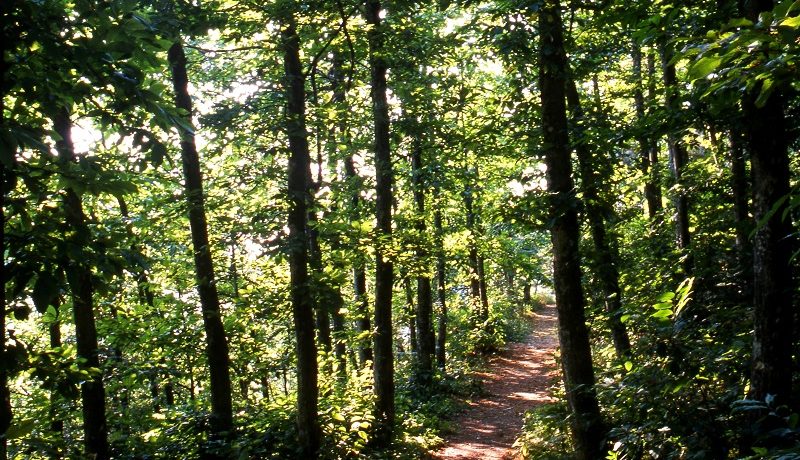
Pellet non certificati distruggono le foreste senza controllo in tutta Europa. Greenpeace: questa non è energia rinnovabile.
Secondo una nuova ricerca commissionata da Greenpeace Paesi Bassi, le norme dell’Unione Europea e i sussidi nazionali che incoraggiano l’uso di biomassa legnosa (legna e pellet) per soddisfare gli obiettivi di energia rinnovabile stanno causando la distruzione e il degrado delle foreste europee.
Lo studio analizza in particolare il caso dell’Estonia, il secondo esportatore europeo di pellet a uso energetico dopo la Lettonia, mostrando come i criteri adottati dalla Ue non siano sufficienti per fermare la perdita di biodiversità dovuta alla deforestazione.
L’Italia è tra i principali importatori di legno estone insieme a Paesi Bassi, Belgio, Danimarca e Regno Unito.
La Commissione ha pubblicato il pacchetto di aggiornamenti alla normativa europea in materia di clima ed energia, che include una revisione della direttiva sulle energie rinnovabili e dei relativi criteri sulla bioenergia. Le bozze trapelate mostrano tuttavia che le modifiche prese in considerazione dalla Commissione non vanno al cuore del problema.
Tenendo conto della deforestazione e del degrado forestale, l’uso di biomassa prelevata direttamente dalle foreste e destinata alla produzione di calore ed energia su larga scala ha un impatto climatico spesso paragonabile a quello dei combustibili fossili.
“Non possiamo combattere i cambiamenti climatici abbattendo alberi per bruciarli”, dichiara Martina Borghi, campagna foreste di Greenpeace Italia. “Per raggiungere gli obiettivi sulle energie rinnovabili, l’Ue deve smettere di conteggiare anche la combustione di legno prelevato direttamente dalle foreste, indipendentemente dal fatto che provenga da alberi tagliati appositamente per essere bruciati o da scarti di altri processi. I governi nazionali devono smettere di sovvenzionare la distruzione delle foreste”.
Secondo il rapporto appena pubblicato da Greenpeace, Graanul Invest, il più grande produttore di pellet d’Europa, con sede in Estonia, è implicato nella distruzione di foreste ricche di biodiversità, al prosciugamento di torbiere e al taglio degli alberi lungo sponde fluviali, con conseguenze gravi anche sulla conservazione del suolo.
ph. © Enrico Rainero

Biodegradare i rifiuti e neutralizzare i cattivi odori. BBA Ecotech S.r.l. è un’ impresa italiana fondata da un team di Bio-imprenditori con esperienza pluriventennale nella formulazione di additivi batterici, neutralizzanti odori e prodotti concentrati per formulazioni specifiche: trattamento rifiuti, scarichi, biorimediazione e controllo dei cattivi odori.
BBA : Bacteria Based Applications, una vasta gamma di microrganismi benefici, attentamente selezionati, sicuri, 100% naturali, non OGM.
Il nuovo partner della chimica tradizionale viene dalla natura.
BBA Ecotech ha un’organizzazione dinamica, che unisce la qualità delle attività strategiche di formulazione e confezionamento ad una flessibilità verso le esigenze del cliente, realizzando così prodotti competitivi in sintonia con le esigenze del mercato.
La strategia di BBA Ecotech unisce: innovazione, tecnologia ed efficienza, ricercando ceppi batterici puri, scelti per la loro attività metabolica ed enzimatica specifica, da aggiungere alla sua già vasta collezione.
BBA Ecotech non offre miscele “multiuso” standard, ma sviluppa insieme al cliente il mix batterico da applicare, formulazioni su misura per formulatori e distributori.
Lo slogan “WE KNOW HOW...” è la strategia per il futuro di BBA Ecotech, perché la scommessa è partire dall’ambiente, creare valore e trasferirlo in ogni ambito.
Le aree di intervento
Le comunità, l’industria, la biorimediazione, la detergenza, il trattamento acque reflue, la zootecnia.

It’s All Retail 2021 in presenza. BRAINZ organizza la nuova edizione della mostra convegno IT’S ALL RETAIL al NH Milano Centro Congressi, il 6 luglio, con la partecipazione di 120 Relatori provenienti dal mondo Retail, GDO e Fashion.
Il mondo del Retail sta vivendo una profonda trasformazione e gli investimenti nella tecnologia e nell’innovazione influenzeranno sempre più questi cambiamenti che già oggi il settore sta cercando di affrontare.
IT’S ALL RETAIL rappresenta un’opportunità esclusiva per agevolare l’incontro e il confronto tra Retail, GDO e Fashion con esperti di Soluzioni, Sistemi e Tecnologie.
Che cosa serve a Retail, GDO e Fashion per realizzare l’innovazione ?
In It’s All Retail avrò il piacere di moderare le due tavole:
EFFICIENZA ENERGETICA
Diagnosi Energetica – Big Data & IOT – Building Automation – Certificati Bianchi – Project Financing – Cogenerazione – HVAC Saving – Impianti Frigoriferi – Recupero del Calore – Refrigeranti Naturali
Panel Discussion/Tavola Rotonda
Moderatore Enrico Rainero founder BYinnovation
– Sebastiano Castorina Direttore Tecnico LEROY MERLIN
– Livio Calabrese Sales Director FRASCOLD
– Mario D’Aleo WW Head of Engineering BENETTON
– Fortunato Della Guerra Direttore Tecnico INRES COOP
– Massimo Pennisi Responsabile Tecnico ZUIKI
– Emilio Quinto Facility Manager Corporate EATALY
– Giuseppe Laudicina Project Manager Customer Insights ENEL X ITALIA
GESTIONE EFFICIENTE della SUPPLY CHAIN e del MAGAZZINO
Smart Logistics – Demand Planning – Retail Planning Solutions – Supply Chain Platform – Transportation – Geolocation – Pooling – Smart working – Warehouse 4.0 – Material Handling – ID & Scanning – Picking Technologies – Automation & Ronotic – Sostenibilità – Cold Chain – RFID – Pallet & Ecopallet – Real Estate – Supply Chain & COVID-19 – Supply Chain e Ripresa Economica
Panel Discussion/Tavola Rotonda
Moderatore Enrico Rainero founder BYinnovation
– Novella Ciceri Logistic Coordinator VIVIENNE WESTWOOD
– Fabio Gallus Responsabile Logistica GABEL
– Andrea Lombardo Head of EMEA Logistics and Distribution LUXOTTICA GROUP
– Giovanni Melzi Head of Planning & Supply Chain STROILI ORO
– Michele Migliardi Supply Chain & Logistics Director STELLA MCCARTNEY
– Francesco Nappo Italy Expansion Director SCANNELL PROPERTIES
– Dario Nasti Direttore Supply Chain DOPPELGANGER ROMA
– Alessandro Pozzi Chief Operations Officer BOGGI MILANO
– Leonardo Ricci Area Manager MODULA
I partecipanti di IT’S ALL RETAIL sono:
TOP MANAGEMENT: Amministratore Delegato – Direttore Generale – Retail Director – Responsabile Strategie – Direttore Vendite – HR Director
MARKETING & CRM: CRM Director – Marketing Director – Loyalty Manager – Ecommerce Director Chief Digital Officer – Chief Data Officer
IT & TECHNOLOGY: Chief Information Officer – Chief Technology Officer – IT Manager Chief Security Information Officer – Pos & Payment Director
LOGISTINA e MAGAZZINO: Logistics Director – Responsabile Logistica – Responsabile Magazzino
UFFICIO TECNICO: Energy Manager – Facility Manager – Technical Director – Layout & Store Design – Visual Merchandising – Security Manager.
Settori: GDO – RETAIL – FASHION & LUXURY – ECOMMERCE – CONSUMER GOODS
6 Luglio 2021 – NH Milano Centro Congressi
– BYinnovation è Media Partner di IT’S ALL RETAIL

Carbon performance complement to energy performance: EU buildings’ policy should address the carbon footprint of construction, says BPIE.
The EU’s forthcoming revision of legislation for buildings and construction is a critical opportunity to create policy and investment certainty on how energy performance requirements will be supported by carbon performance rules, says BPIE. New research from the think tank shows that while some EU Member States have introduced comprehensive policy action to reduce the carbon footprint of buildings and construction, this should now be coordinated and regulated at European level.
The European Union aims to be climate-neutral by 2050, requiring a fundamental transformation of the construction and building sectors. Direct building CO2 emissions need to more than halve by 2030 to get on track for a net-zero carbon building stock by 2050. In its Renovation Wave strategy, which addresses decarbonisation of the building stock, the European Commission announced its intention to introduce a ‘2050 whole life-cycle performance roadmap’ to reduce carbon emissions from buildings’ by 2023.
“For new buildings built to the highest energy efficiency standards, thelow operational energy demandmeansthat embodied carbon becomes the most significant sourceof carbon emissions over the building’s lifetime,” says Oliver Rapf, Executive Director of BPIE.
Embodied carbon emissions are associated with energy consumption and chemical processes during raw material extraction, manufacture, transportation, assembly, replacement, construction, demolition and disposal of buildings, accounting for approximately 10-20% of EU buildings’ CO2 footprint. To address this ‘hidden’ carbon footprint, BPIE suggests a common European approach to whole-life carbon (WLC) emissions of the building stock, which should yield additional benefits in terms of greater transparency, comparability, and monitoring of progress across borders and industries.
Achieving a common EU approach requires intensified coordination across policy measures addressing and affecting the different stages of the construction value chain. However, BPIE finds that the introduction of a ‘2050 whole life-cycle performance roadmap’ scheduled for 2023 is out of sync with the current legislative review process.
The ongoing review of the Energy Performance of Buildings Directive (EPBD) and the Energy Efficiency Directive (EED) provides a significant opportunity for the EU to begin consistently integrating WLC thinking and principles in the regulatory framework.
“Whole-life carbon in buildings and construction should be carefully considered now in 2021. Policy action taken by a number of Member States demonstrate that whole-life carbon policies are possible and desirable. The European Commission should reflect this in its forthcoming proposals to make sure that we don’t lose time in the fight against climate change.” Rapf concludes.
BPIE (Buildings Performance Institute Europe) is a leading independent centre of expertise on energy performance of buildings, providing data-driven and actionable policy analysis, advice, and implementation support to decision-makers in the public, private, and non-profit sectors.
Founded in 2010, BPIE combines expertise on energy efficiency, renewable energy technologies, and health and indoor environment with a deep understanding of EU policies and processes. A not-for-profit think-tank based in Brussels and Berlin, our mission is to make an affordable, climate-neutral built environment a reality in Europe and globally.
– BYinnovation is Media Partner of BPIE
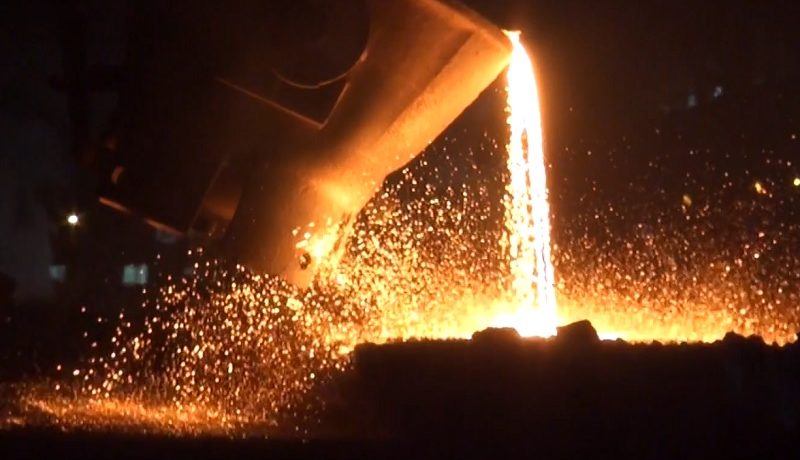
H2 Green Steel fossil free: H2 Green Steel will be a large-scale steel producer based on a fossil-free manufacturing process targeting large European OEMs. H2GS will be located in the Boden-Luleå region in northern Sweden that offers unique conditions for fossil-free steel production. The project includes a giga-scale green hydrogen plant as an integrated part of the steel production facility. Production will begin in 2024 and by 2030, H2GS will have annual production capacity of five million tons of high-quality steel.
Henrik Henriksson, currently CEO of Scania, will lead the company.
The global steel industry is one of the world’s largest emitters of carbon dioxide, representing approximately seven percent of global CO2 emissions. Demand for fossil-free steel is growing substantially with strong interest from global market leaders in sectors such as automotive, commercial vehicles, white goods, furniture, etc.
The steel industry is struggling to accelerate the transition to fossil-free steel manufacturing at scale. H2GS will build a large-scale, greenfield steel manufacturing facility in the Norrbotten region in northern Sweden to enable production of fossil-free steel at a leading cost position.
An important source of inspiration for the initiative is the groundbreaking HYBRIT project and its founders SSAB, LKAB, and Vattenfall. H2GS looks forward to a close collaboration with the HYBRIT-founders, sharing the vision to position Sweden at the forefront of fossil-free steel production.
H2GS is built on the experience and lessons learned from the establishment of Northvolt. The business model is based on a close partnership with strategic customers, including a deep collaboration on product development, process technology, recycling strategies and logistics.
“We want to accelerate the transformation of the European steel industry. Electrification was the first step in reducing carbon dioxide emissions from the transportation industry. The next step is to build vehicles from high-quality fossil-free steel,” says Carl-Erik Lagercrantz, Chairman of the Board of H2GS and Northvolt.
“A Scania truck weighs about six tons and five of those are steel, which today unfortunately is produced with a substantial carbon footprint. By investing in and partnering with H2 Green Steel we are now further accelerating the journey towards emission free products across the whole value chain. It’s a significant increase in ambition, which will not only contribute to Scania delivering on the goal of Paris Climate Agreement, but also raising the bar even further”, says Anders Williamsson, Executive Vice President, Head of Purchasing, Scania.
H2GS is forming a strong management team with complementary backgrounds and global experience from the steel industry, key customer segments, R&D, digitalisation, financing, and public affairs.
“We’re delighted that Henrik Henriksson will spearhead this pioneering venture. As CEO of Scania, Henrik has been one of the most visionary and active leaders for the business community in leading action on climate change and making progress towards a world without fossil emissions. We now begin an incredibly exciting journey together,” says Harald Mix, Chairman of the Board of Vargas.
“The climate crisis is the biggest challenge of our time – and given the steel’s impact on other industries’ sustainable development, a rapid change of the steel industry is extremely important. H2 Green Steel will accelerate this change and make Swedish steel world famous, not only for its quality, but also as the world’s greenest steel. I look forward to join this journey from the start, building Sweden’s next export success,” says Henrik Henriksson, incoming CEO of H2 Green Steel.
This initiative has been developed in close collaboration between Vargas, and several strategic and financial investors that are global leaders in sustainability and digitalisation. H2GS is in the process of closing its series A equity financing of €50 million from a select group of investors, including Vargas, Scania, SMS group, BILSTEIN GROUP, EIT InnoEnergy, Cristina Stenbeck, Daniel Ek, Altor Fund V, and IMAS Foundation.
”To be able to partner with the entrepreneurial investors behind Northvolt as they execute on their next bold vision to accelerate the introduction of green steel is a rare opportunity. It reminds me of the role long-term capital has played in building leading global companies more than half a century ago in Sweden. We all have a responsibility to help enable the creation of more efficient and sustainable alternatives for future generations. I am very proud to be a part of the H2 Green Steel initiative.” commented Cristina Stenbeck, an early supporter and H2 Green Steel investor.
The total financing for the first phase of the project amounts to approximately €2.5 billion, which will be raised through a combination of equity and green project financing. Morgan Stanley, Societe Generale and KfW IPEX-Bank, are acting as financial advisors to H2GS. Sweco is advising in the engineering and permit process.
H2GS will be located in the Boden-Luleå region, which also hosts a number of world-class companies and research institutions within the metals and mining industry. The region offers unique conditions for fossil-free steel production with access to abundant energy from renewable energy sources, high-quality iron ore and a large port in Luleå. H2GS is expected to create 1,500 direct jobs in the Norrbotten region, and the project will increase Swedish net export value by around SEK 30 billion. Large scale production starts in 2024.
H2GS will also contribute to building a knowledge cluster in Norrbotten – where industry, suppliers, municipalities, authorities, and academia work together to accelerate efforts to battle climate change, create new jobs and strengthen Sweden’s competitiveness.
About H2 Green Steel
H2 Green Steel (H2GS AB) was founded in 2020, aiming to build a large-scale fossil-free steel production in northern Sweden. H2 Green Steel will produce 5 million tons of fossil-free steel by 2030. By doing this, the company will contribute to the decarbonizing of the European steel industry, one of the largest carbon dioxide emitters. H2 Green Steel will establish operations in Boden and Luleå. The founder and largest shareholder is Vargas, which is also co-founder and one of the largest shareholders in Northvolt.
About Vargas
Vargas is an investment company that helps to establish and invest in businesses that challenge old truths and solve tomorrow’s challenges through sustainable business ideas. Together with bold entrepreneurs, we help to initiate and realise ideas that drive change. This is how we contribute to sustainable development, meet future needs, and support European industrial development. Vargas Holding was established in 2014 by Carl-Erik Lagercrantz and Harald Mix. Among the portfolio companies are Northvolt, Polarium, and H2 Green Steel.
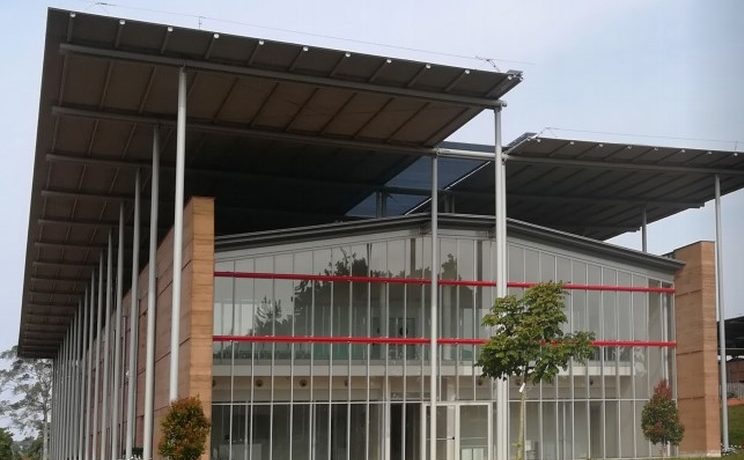
Laminato in zinco titanio della veneziana Zintek scelto da Renzo Piano e da EMERGENCY per le coperture dell’ospedale africano di Entebbe. Un libro-monografia per celebrare l’opera e la passione dell’azienda.
È operativo l’ospedale di chirurgia pediatrica costruito nella città di Entebbe, in Uganda, avveniristica struttura di EMERGENCY progettata dall’architetto Renzo Piano, assieme al suo Studio RPBW, in collaborazione con lo Studio TAMassociati e la Building division di EMERGENCY, le cui coperture sono state interamente realizzate da Zintek.
Zintek, azienda veneziana con sede a Porto Marghera, è l’unico produttore italiano del laminato in zinco-titanio a marchio “zintek” per l’architettura. Si tratta di un laminato di pregio fatto con una particolare lega di zinco, titanio e rame con cui vengono realizzate coperture, facciate e lattonerie per ogni tipo di progetto architettonico.
Lo zintek dà forma a tutti i desiderata di architetti e progettisti e imprime nuove fisionomie agli edifici. È un materiale altamente sostenibile: è riciclabile al 100%, incombustibile, non viene influenzato dalle variazioni di temperatura, ha una grande resistenza alla corrosione e una lunga durata nel tempo (fino a 100 anni in ambiente rurale). Nel tempo forma uno strato autoprotettivo che lo rende esente da manutenzione. Le sue qualità di malleabilità e adattabilità, il suo colore naturalmente grigio, ne fanno uno strumento funzionale, innovativo ed elegante. Per tutti questi motivi, è stato scelto per il progetto di Renzo Piano in Uganda.
“Zintek ha partecipato al progetto di EMERGENCY con grande passione, spirito di solidarietà e compartecipazione – ha detto Gianni Schiavon, amministratore unico di Zintek -. Abbiamo subito accettato questa sfida, estremamente particolare, data la collocazione e i requisiti ambientali e fisici a cui doveva rispondere. L’abbiamo fatto non solo per il prestigio dell’operazione, ma soprattutto perché il progetto sposava appieno la mission e i valori di Zintek: la promozione di una architettura etica che metta al centro le persone e il loro benessere. Siamo felici di aver dato vita ad un edificio che fonde in sé etica e bellezza”.
La realizzazione delle coperture dell’ospedale di EMERGENCY rappresenta un’ulteriore importante tappa per l’azienda veneziana, conquistata sulla strada dell’eccellenza. Zintek, infatti, da tempo collabora con i più importanti architetti internazionali prendendo parte ai loro progetti: dall’Unicredit Pavilion, firmato dall’architetto Michele De Lucchi, al quartiere trentino Le Albere, progettato da Renzo Piano; dal Davines Village a Parma, su disegno degli architetti Matteo Thun e Luca Colombo, alla Vatican Chapel firmata Sean Godsell, costruita interamente in zintek all’interno del Padiglione del Vaticano della Biennale di Venezia 2018, al Prysmian Headquarters a Milano, su progetto di Maurizio Varratta.
Grazie all’apertura verso il mercato internazionale, Zintek ha registrato nel 2020, in controtendenza rispetto al settore in cui opera, uno dei migliori incrementi di ricavi degli ultimi anni. Le vendite sono aumentate del 25% rispetto al dato complessivo del 2019, mentre il fatturato registrato, comprensivo della produzione metallurgica, che include, oltre ai semilavorati in zinco, anche il rame, è stato di quasi 200 milioni di euro. A segnare l’anno positivo sono state le scelte di business e gli investimenti sempre più orientati verso l’architettura sostenibile.
“I nostri due showroom, ad Amsterdam e a Shanghai, stanno lavorando molto bene – ha spiegato Gianni Schiavon -. In particolare in Cina, dove abbiamo messo in atto una massiccia azione di divulgazione del brand attraverso la creazione di una rete commerciale con un partner cinese, abbiamo molte aspettative per i prossimi anni”.
Copertura funzionale e sostenibile: le caratteristiche tecniche
L’ospedale chirurgico pediatrico di Entebbe, sulle rive del Lago Vittoria, è una struttura solida e leggera allo stesso tempo. Sorge su un terreno di 120mila metri quadri messo a disposizione dal governo ugandese. Dispone di 50 letti di degenza, 16 letti di terapia sub-intensiva, 6 di terapia intensiva, 3 sale operatorie, laboratorio, banca del sangue, farmacia, mensa e lavanderia. È una struttura a “U” circondata da un grande parco con 350 alberi, da un’area gioco esterna e da una guest house con 42 letti per pazienti e familiari. La struttura generale dell’ospedale è in muratura, è larga 60 centimetri ed è realizzata in terra cruda e materiali che ne aumentano la resistenza meccanica (tecnica del pisé). La solidità e la concretezza delle pareti in terra cruda, ancorate a terra, convivono con la leggerezza della struttura in vetro e acciaio che regge la copertura in acciaio e zinco-titanio.
L’involucro di copertura è costituito da due elementi funzionali sovrapposti che operano in sinergia: il primo ha funzione di chiusura termica, acustica, di tenuta all’acqua e all’aria ed è rivestito in zintek® pre-patinato; il secondo, una specie di ombrello, ha invece la funzione di proteggere l’edificio dalla radiazione solare ed è interamente rivestito da 2.670 pannelli fotovoltaici che soddisfano gran parte del fabbisogno energetico. Zintek ha installato 2.670 metri quadri di coperture in zinco-titanio, più di 800 metri di canali di gronda, 380 metri di pluviali, 40 lucernai con raccordi in zintek, 75 corpi emergenti, 56 metri quadri di controsoffitti interni, 4.210 metri quadri di manto metallico di supporto.
Una monografia per celebrare la bellezza del progetto
Per celebrare e far conoscere ciò che ha realizzato in Uganda, Zintek ha deciso di pubblicare una monografia che descrive minuziosamente ogni fase del progetto di Entebbe. Si tratta di una pubblicazione ricca di fotografie, grafici e testi esplicativi, realizzata con carta sostenibile e con una particolarissima copertina rigida che richiama, al tatto, la terra rossa africana. Più di 240 pagine non solo per raccontare, a scopo divulgativo, le tecniche di costruzione dell’edificio, ma anche per trasmettere il senso etico dell’opera, i valori fondanti che hanno spinto Zintek ad accettare di partecipare pro bono al progetto di EMERGENCY. Nel testo, infatti, che si intitola “CHILDREN’S SURGICAL HOSPITAL. ENTEBBE, UGANDA”, redatto in italiano e inglese, oltre agli interventi di Gino Strada e di Renzo Piano, troviamo anche il contributo di Fulvio Irace, storico dell’architettura e docente al Politecnico di Milano, e quello di Marco Imperadori, professore ordinario di architettura al Politecnico di Milano. Il fulcro dell’opera resta comunque la parte di divulgazione del progetto costruttivo elaborato da Zintek, con tuti i particolari della posa in opera di cantiere. Elemento fondante di ogni pubblicazione di alto valore tecnico-scientifico edita dall’azienda.
“Non è la prima volta per noi – ancora l’amministratore unico Gianni Schiavon – monografie simili sono state fatte in occasione di altri nostri più importanti lavori, come Le Albere di Trento, l’Unicredit Pavilion di Milano, il Davines Village a Parma e il Prysmian Headquarters a Milano. Crediamo che trasmettere la bellezza, l’autenticità, il nostro know-how e l’innovazione di ciò che facciamo sia un modo per valorizzare non solo il nostro lavoro ma anche quello di tutti i nostri partner. In Zintek ci prodighiamo da sempre perché la creatività, l’artigianalità e la sostenibilità delle aziende del made in Italy venga conosciuta e riconosciuta in tutto il mondo, anche attraverso questo tipo di pubblicazioni, specchio del nostro stile e dei nostri valori. Con la monografia dedicata all’ospedale di Entebbe vogliamo promuovere la cultura d’impresa, cioè il racconto di come nasce e si evolve un progetto, quanta passione e quanto sforzo c’è dietro ogni opera”.
Zintek Srl produce e commercializza il laminato in zinco-titanio zintek. Fa parte del Gruppo Cordifin, holding veneta attiva nei settori industriale, finanziario e immobiliare. L’azienda è punto di riferimento per la realizzazione di coperture, facciate e lattonerie in zinco-titanio zintek adatte a qualsiasi contesto, dai nuovi progetti al restauro conservativo. Ha uno stabilimento di produzione situato a Porto Marghera su un’area di 86mila metri quadri, attivo dal 1936, che conta su circa 100 dipendenti e dà vita ad una filiera unica: dalla fusione dello zinco alla laminazione, fino alla produzione, commercializzazione e applicazione dello zintek. Nell’ambito del restauro conservativo, Zintek ha realizzato a Venezia, tra le altre, le coperture dell’Hilton Hotel Molino Stucky, dei Giardini Reali di San Marco, de Le conterie di Murano; del Palazzo delle Poste a Trieste; del Sacrario di Castel Dante a Rovereto.
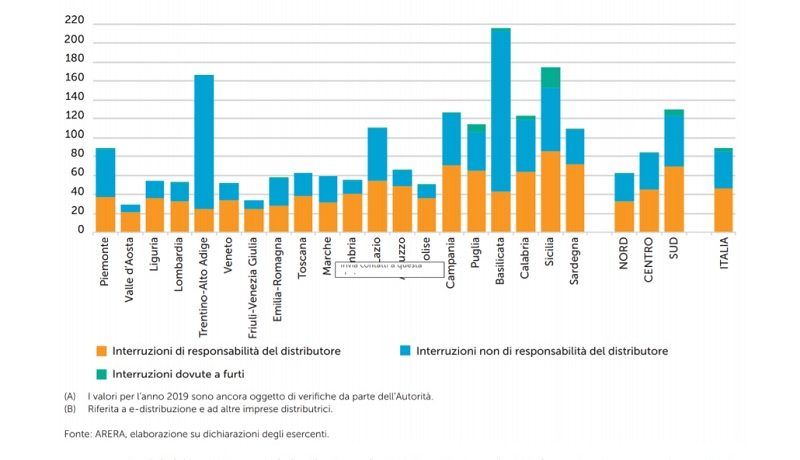
Transizione ecologica e sistema energetico, ITALIA SOLARE invia al Ministro della Transizione Ecologica e al Presidente di ARERA il proprio position paper
ITALIA SOLARE pubblica il suo position paper su “Transizione ecologica e sistema elettrico” e lo invia al Ministro per la Transizione Ecologica, Roberto Cingolani, e al Presidente di ARERA Stefano Besseghini.
Un documento di venti pagine, redatto dagli esperti del gruppo di lavoro Mercato Elettrico, con il quale l’associazione presenta la sua visione e le azioni da intraprendere con la massima urgenza per dare concretezza alla transizione ecologica.
“Un sistema elettrico carbon neutral richiede una piena integrazione di risorse come fonti rinnovabili e accumuli, e la loro abilitazione, assieme alla domanda, al mercato dei servizi. Solo in questo modo sarà possibile garantire non solo la generazione di energia da fonti pulite e sostenibili, ma anche la sicurezza del sistema elettrico in assenza di un contributo sostanziale delle fonti tradizionalmente deputate a ciò, vale a dire quelle fossili” afferma Paolo Rocco Viscontini, Presidente di ITALIA SOLARE.
“Il compito di legislatore e regolatore è quello di individuare gli strumenti capaci di favorire una simile evoluzione sistemica, partendo dalla rimozione di tutti gli ostacoli che al momento impediscono la realizzazione di un simile scenario. Da un punto di vista tecnico, tecnologico ed economico, i tempi sono maturi per una rivoluzione che avrebbe impatti positivi sotto ogni aspetto, dalla vita sociale all’economia.”, spiega Marco Ballicu tra i coordinatori del GdL Mercato elettrico e principale autore del documento.
I 5 punti del position paper:
1. La digitalizzazione delle reti, soprattutto locali, dovrà consentire il dialogo e quindi l’interazione di tutte le risorse connesse, incluse quelle sottese a utenze residenziali. Ciò è indispensabile considerata l’attesa diffusione di impianti di generazione distribuita sulle reti di distribuzione, che richiederà da un lato un’evoluzione del ruolo dei gestori di rete, dall’altro un ripensamento sulla loro appartenenza a gruppi verticalmente integrati, stanti gli inevitabili conflitti di interessi che emergerebbero (unbundling proprietario). A ciò si dovrà accompagnare la revisione, e la razionalizzazione, delle configurazioni impiantistiche di cui sia consentita la realizzazione, favorendo lo sviluppo dell’autoconsumo, e l’introduzione di forme di autobilanciamento delle unità di produzione e consumo, in modo da favorire la sicurezza del sistema, a costi inferiori.
2. La definizione di prodotti e servizi in grado di valorizzare adeguatamente il contributo fornito da ogni singola risorsa al raggiungimento di obiettivi prestabiliti è indispensabile per favorire la partecipazione di rinnovabili, accumuli e domanda alla gestione efficiente e sicura del sistema, riducendo la necessità di ricorso a incentivi. Diventa necessario superare i limiti di meccanismi come il Capacity Market o l’MSD, deputati a garantire l’adeguatezza e la sicurezza del sistema, adatti a un contesto dominato da impianti tradizionali e che, nel caso dell’MSD, sono esposti in alcune aree del Paese all’esercizio di potere di mercato per la scarsità di risorse abilitate all’erogazione dei servizi richiesti dal gestore della Rete di Trasmissione Nazionale (RTN).
3. Diventa prioritario realizzare un’analisi approfondita dello stato del sistema, dei livelli di adeguatezza e sicurezza attuali e relativi a scenari compatibili con i target di decarbonizzazione previsti. Una simile attività dovrà essere condotta da un soggetto realmente super partes, indipendente da ogni soggetto attivo lungo la filiera, inclusi i gestori di rete come Terna e i distributori.
4. Fondamentale effettuare l’analisi dei costi che dovranno essere sostenuti per il raggiungimento degli obiettivi prefissati, rendendo quanto mai opportuna l’individuazione degli strumenti in grado di mitigare questo impatto.
5. Elementi imprescindibili per raggiungere gli obiettivi della strategia dovranno essere la garanzia di un sistema pienamente competitivo e l’assicurazione di un confronto tra pari, senza che alcun contendente possa sfruttare indebiti vantaggi.
ITALIA SOLARE evidenzia nel suo documento la preoccupazione relativa ad alcuni concessionari di attività soggette a monopolio naturale, come i distributori e i gestori delle reti di trasporto Terna e Snam, sempre più attivi, eventualmente con società collegate, in settori di libero mercato, dove possono sfruttare incolmabili vantaggi, anche solo in termini di informazioni, rispetto alla concorrenza.
ITALIA SOLARE è un’associazione di promozione sociale che sostiene la difesa dell’ambiente e della salute umana supportando modalità intelligenti e sostenibili di produzione, stoccaggio, gestione e distribuzione dell’energia attraverso la generazione distribuita da fonti rinnovabili, in particolare fotovoltaico. Promuove inoltre la loro integrazione con le smart grid, la mobilità elettrica e con le tecnologie per l’efficienza energetica per l’incremento delle prestazioni energetiche degli edifici.
“ITALIA SOLARE è l’unica associazione in Italia dedicata esclusivamente al fotovoltaico e alle integrazioni tecnologiche per la gestione intelligente dell’energia”.
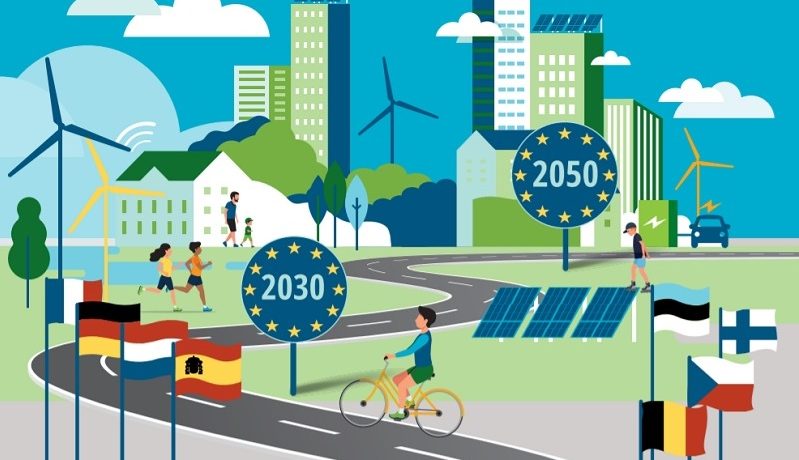
The 2050 road to climate-neutrality: are national long-term renovation strategies fit for 2050? This analysis, representing over 50% of the EU population (covering seven EU Member States and one region, Flanders, Belgium), reveals that Member States’ long-term renovation strategies (LTRS) are largely not compliant with the Energy Performance of Buildings Directive (EPBD) objectives towards achieving a highly energy efficiency and decarbonised building stock by mid-century.
Beyond this, the objectives of the LTRS are now misaligned with the EU’s strengthened 2030 Climate Target and 2050 climate-neutrality objective.
Half of the analysed strategies include an objective at or above 90% GHG emissions reduction, which is in line with the legal requirement of the EPBD. However, none of the eight strategies targets 100% decarbonisation of the building stock.
This means that the substantial increase in renovation activity that is required – a deep renovation rate of 3% annually by 2030, is unlikely to be achieved.
The analysis ultimately reveals that even full compliance with the EPBD, as it currently stands, is not enough to achieve 2050 climate-neutrality. Member States should now be seeking to achieve 100% decarbonisation of their building stock and developing long-term renovation strategies to deliver the climate-neutrality objective. The revision process of the EPBD, within the context of the Fit for 55 package in 2021, offers the opportunity to ensure a much stronger place for buildings in Member States’ decarbonisation plans, who should implement the efficiency first principle.
A full revision of the EPBD is therefore strongly suggested in order to ensure that Europe achieve its strengthened 2030 climate target and its aim of climate-neutrality by 2050.
BPIE is a non-profit policy research institute, located in Brussels, with additional offices in Berlin, Bucharest and Warsaw, dedicated to improving the energy performance of buildings across Europe.
We focus on knowledge creation and dissemination for evidence-based policy making and implementation at national level.
– BYinnovation is Media Partner of BPIE