
Category: Operations

Recupero componenti elettronici. OSAI, la società canavesana impegnata nella Circular Economy, con lo sviluppo del progetto “Re4M” – sistema innovativo per l’estrazione e selezione dei componenti elettronici destinati al recupero dei metalli preziosi – si è presentata alla fiera Ecomondo quale nuovo partner per modelli di economia circolare.
OSAI (Ticker AIM – OSA), società attiva nella progettazione e produzione di macchine e linee complete per l’automazione e il testing su semiconduttori, ha partecipato a ECOMONDO per illustrare il proprio approccio tecnologico all’urban mining rappresentato dal progetto “Re4M”, il sistema ideato per il riciclo efficiente dei rifiuti elettronici (RAEE) e per la trasformazione in nuova materia prima.
Il progetto, sul quale verranno investiti 5 milioni di Euro, proseguirà nei prossimi due anni con attività di ricerca e sviluppo e la realizzazione di un primo prototipo nel 2023 con la successiva commercializzazione entro la fine del 2025.
Marco Guolo, CTO di OSAI, ha commentato: “Sei anni fa siamo stati chiamati dal Fraunhofer Institute per partecipare ad un innovativo progetto, chiamato ADIR, per la realizzazione di un sistema automatizzato per il disassemblaggio, la seperazione e il recupero dei materiali preziosi dai dispositivi elettronici in disuso. L’obiettivo ambizioso era quello di individuare un nuova tecnologia per lo sfruttamento della miniera urbana.
Dopo l’esperienza positiva maturata nel progetto ADIR e diversi anni di sviluppo nei quali abbiamo appreso le problematiche, le esigenze e le opportunità, siamo in grado di affermare con certezza che applicare l’automazione industriale cambiando il paradigma, ovvero smontare invece di montare, separare invece di unire, in un ambito dove tutto o quasi è fatto a mano, genera grande valore.
L’automazione porta efficienza, applicazione di nuove tecnologie, velocità e qualità e garantisce valore nel recupero della materia prima. Il progetto Re4M sul quale stiamo investendo permetterà di applicare le nostre migliori tecnologie nel riciclo efficiente dei rifiuti elettronici (RAEE), trasformandoli in nuova materia prima da inserire all’interno del processo produttivo in ottica di economia circolare.
Siamo ad Ecomondo per comunicare che abbiamo concretizzato alcune delle nostre idee, abbiamo concepito un impianto di trattamento delle schede elettroniche da RAEE per generare nuovo valore dal rifiuto in maniera efficiente e sostenibile e per applicare quei concetti di economia circolare che ci stanno così a cuore anche dal punto di vista etico”.
Per meglio valorizzare il contesto e l’applicazione del sistema sviluppato dalla Società in ottica di filiera, OSAI ha condiviso lo stand con BTT Italia, azienda italiana che da oltre 40 anni opera nel settore della raffinazione dei metalli preziosi occupandosi di estrarre da diverse matrici, con diverse provenienze, l’elemento più raro, restituendolo alla sua forma più pura.
La complementarietà delle soluzioni presentate in fiera da OSAI e BTT rappresentano una grande occasione per i visitatori di Ecomondo affinchè possano scoprire le potenzialità che la tecnologia sviluppata mette a disposizione del mercato quale soluzione completa per la valorizzazione della miniera urbana.
Fabio Benetti, CEO di OSAI, ha commentato: “con piacere ed emozione OSAI partecipa per la prima volta, quale espositore, ad ECOMONDO, vetrina di grande prestigio nella quale presentare il nostro progetto Re4M, sul quale stiamo investendo in maniera importante per offrire nuove soluzioni in ambito automation al settore dell’urban minig. Avremo inoltre l’onore di condividere lo stand con gli amici di BTT Italia i quali hanno sviluppato una soluzione tecnologica, perfettamente complementare alla nostra, in grado di arrivare dal componente alla raffinazione del metallo prezioso.
La complementarietà delle due soluzioni ci permetterà di far comprendere in manierà più chiara il potenziale al cliente finale e le opportunità di una soluzione completa, perfettamente integrata, che rende il progetto unico al mondo in questo momento”
Osai Automation System, fondata nel 1991 da Carlo Ferrero, è attiva a livello worldwide nella progettazione e produzione di macchine e linee complete per l’automazione e il testing su semiconduttori.
La Società, con sede operativa a Parella (TO), occupa 195 dipendenti ed opera prevalentemente attraverso 5 divisioni: Automazione, Elettronica, Laser Applicato, Semiconduttori e After-sales. La rete distributiva di Osai è costituita da oltre 40 distributori in tutto il mondo, con oltre 50 staff locali e 3 filiali commerciali (USA, Germania e Cina).
Osai è identificabile nel mercato quale solution provider nell’automazione di processo per linee di prodotti che operano prevalentemente in settori ad elevato technology content e tramite un portafoglio di tecnologie trasversale.
Efficient recycling of electronic waste
OSAI, the Canavese company committed to the Circular Economy, with the development of the “Re4M” project – an innovative system for the extraction and selection of electronic components for the recovery of precious metals – has presented itself at the Ecomondo fair as a new partner for circular economy models.
OSAI (Ticker AIM – OSA), the company that operates in the field of design and production of machines and complete lines for automation and testing on semiconductors, has illustrate in Ecomondo its technological approach to urban mining represented by the “Re4M” project, the system designed for the efficient recycling of electronic waste (WEEE) and for its transformation into new raw material.
The project, in which 5 million euros will be invested, will continue over the next two years with research and development activities and the construction of a first prototype in 2023 with subsequent commercialization by the end of 2025.
Marco Guolo, CTO of OSAI, stated: “Six years ago we were called by the Fraunhofer Institute to participate in an innovative project, called ADIR, for the construction of an automated system for the disassembly, separation and recovery of precious materials from disused electronic devices. The ambitious goal was to identify a new technology for the exploitation of the urban mine.
After the positive experience gained in the ADIR project and several years of development in which we learned the problems, needs and opportunities, we are able to say with certainty that applying industrial automation by changing the paradigm, i.e. disassembling instead of assembling, separating instead of joining, in an area where everything or almost everything is done by hand, generates great value. Automation brings efficiency, application of new technologies, speed and quality and guarantees value in the recovery of raw materials.
The Re4M project in which we are investing will allow us to apply our best technologies in the efficient recycling of electronic waste (WEEE), transforming them into a new raw material to be included in the production process with a view to circular economy. We were at Ecomondo to communicate that we have implemented some of our ideas, we have conceived a treatment plant for electronic cards from WEEE to generate new value from waste in an efficient and sustainable way and to apply those concepts of circular economy that are so important to us from an ethical point of view “.
To better enhance the context and application of the system developed by the Company from a supply chain perspective, OSAI will share the stand with BTT Italia, an Italian company that has been operating in the precious metals refining sector for over 40 years, taking care of extracting from different matrices, with different origins, the rarest element, returning it to its purest form.
The complementarity of the solutions presented at the fair by OSAI and BTT represent a great opportunity for Ecomondo visitors to discover the potential that the developed technology makes available to the market as a complete solution for the enhancement of the urban mine.
Fabio Benetti, CEO of OSAI, commented: “With pleasure and emotion, OSAI participates for the first time, as an exhibitor, in ECOMONDO, a highly prestigious showcase in which to present our Re4M project, in which we are investing heavily to offer new automation solutions for the urban minig. We will also have the honor of sharing the stand with friends of BTT Italia who have developed a technological solution, perfectly complementary to ours, able to go from the component to the refining of the precious metal. The complementarity of the two solutions will allow us to make the end customer understand more clearly the potential and the opportunities of a complete, perfectly integrated solution, which makes the project unique in the world at the moment “
Osai Automation System, founded in 1991 by Carlo Ferrero, operates worldwide in the design and production of machines and complete lines for automation and testing on semiconductors.
The Company, with operational headquarters in Parella (TO), employs 195 people and operates mainly through 5 divisions: Automation, Electronics, Applied Laser, Semiconductors and After-sales.
The Osai distribution network is made up of over 40 distributors all over the world, with over 50 local staff and 3 commercial branches (USA, Germany and China).
Osai can be identified in the market as a solution provider in process automation for product lines that operate mainly in sectors with high technology content and through a cross technology portfolio.
Conclusi Ecomondo e Key Energy 2021. La strada per la transizione ecologica è tracciata e passa da Rimini, dove si sono tenuti Ecomondo e Key Energy, i due saloni dedicati all’economia circolare ed alle energie rinnovabili, organizzati da Italian Exhibition Group, con risultati ben oltre le più rosee previsioni.
Quasi l’85% di presenze rispetto all´ultima edizione pre-covid, più di 1.080 marchi presenti a tutto quartiere per il 90% della superficie, 500 ore di convegni e seminari, con il decennale degli Stati Generali della Green Economy, sono i numeri che confermano che la spinta alla transizione ecologica passa anche dalle due storiche manifestazioni di Rimini.
Luogo di confronto e soprattutto business per una comunità di imprese, istituzioni, enti e organizzazioni che nei saloni di Rimini si sono confrontati sulle tematiche oggi al centro delle agende di tutti i governi, e legate in particolare alle opportunità connesse all’avvio del PNRR alla vigilia di un appuntamento politico fondamentale come la COP26 di Glasgow.
Importante e qualificata, inoltre, la partecipazione governativa italiana, così come l´egida della Commissione europea, a rimarcare l’importanza che queste manifestazioni hanno assunto negli anni come punto di riferimento sia nell’area del Mediterraneo sia per istituzioni di primo livello europeo per policy e ricerca ed innovazione nei settori indicati.
Bioeconomia circolare, risorse idriche, trattamento dei rifiuti e processi di digitalizzazione che portano la green economy nel perimetro di industria 4.0 sono tra le novità di filiera più interessanti di questa edizione 2021.
Le aziende che lavorano sui processi e il monitoraggio sono l’anello di raccordo tra la raccolta dei materiali di scarto e la materia prima seconda. Cresciuti, anche in termini di business generato in fiera, le bioenergie e il fotovoltaico e tutto il settore dell’illuminazione smart nelle città legato all’efficientamento e alla sicurezza.
Il salone biennale dei veicoli per l’ecologia SAL.VE ha messo insieme in un’unica vetrina telaisti e allestitori dei mezzi per l’igiene urbana e gli allestimenti per la raccolta differenziata con mezzi a propulsione ibrida o full electric.
Dalle presse meccaniche alle stampanti 3D alimentate da plastiche bio, industria e startup sono state visitate da operatori qualificati e orientati al business, che fanno dei due saloni appuntamenti di green business.
Cresciuta anche la percentuale di stand che sono stati allestiti con materiali sostenibili, ottenuti dal riciclo di legno d’arredi o altri materiali di edilizia, dai pannelli alle piastrelle.
Con gli eventi di Ecomondo, curati dal Comitato scientifico presieduto dal professor Fabio Fava – è stata condotta un’analisi puntuale sul tema della rigenerazione dell’ambiente, in linea con le raccomandazioni del Green Deal europeo.
Grazie alle “conferenze faro” sono state identificate le azioni che potranno consentire una rigenerazione sistemica ed inclusiva delle nostre manifatture, delle nostre città, del patrimonio naturale, suolo, acque e mari, per un pronto recupero economico, ambientale e sociale del Paese assieme all’Europa e all’area del Mediterraneo.
Nella sessione inaugurale di Key Energy, uno studio preparato per questo evento dall’Energy Strategy Group del Politecnico di Milano ha approfondito le opportunità legate al PNRR, in particolare in termini di ricadute economiche e occupazionali: si parla di più di 64 miliardi di euro di ricavi aggiuntivi, oltre a 132mila posti di lavoro in più.
Si è parlato inoltre, nei convegni curati dal Comitato scientifico presieduto da Gianni Silvestrini, delle novità in arrivo, dall’eolico off-shore all’agro-fotovoltaico, dalle Comunità energetiche all’idrogeno, di strategie climatiche, nonché dei primi interessanti risultati sui fronti del Superbonus e della mobilità elettrica.
Italian Exhibition Group dà l’appuntamento al mondo della Green Economy e delle energie rinnovabili al 2022, anno in cui è da segnare in calendario anche il nuovo evento SOLAR EXHIBITION AND CONFERENCE by Key Energy, dal 23 al 25 marzo 2022 nel quartiere fieristico di Rimini: una tre giorni dedicata esclusivamente all’industria dell’energia solare e alle sue filiere con area espositiva, convegni, incontri e dibattiti.
L’evento, dal format innovativo e altamente focalizzato sulle esigenze delle aziende e delle community del solare, si terrà in sinergia e in contemporanea con la seconda edizione di FORUMTECH, l’evento di formazione e informazione di ITALIA SOLARE organizzato il 23 marzo 2022.
Sempre nel 2022, in programma anche due eventi internazionali: CDEPE – Chengdu International Environmental Protection Expo powered by Ecomondo, la più grande fiera di tecnologia verde nel mercato della Cina occidentale, dal 20 al 22 maggio 2022 a Chengdu (e quest’anno dal 18 al 20 novembre) e Ecomondo Mexico, dal 12 al 14 luglio 2022 a León, organizzato in partnership con Deutsche Messe.
FOCUS ON ITALIAN EXHIBITION GROUP
Italian Exhibition Group (IEG), quotata sul Mercato Telematico Azionario organizzato e gestito da Borsa Italiana S.p.A., ha maturato negli anni, con le strutture di Rimini e Vicenza, una leadership domestica nell’organizzazione di eventi fieristici e congressuali e ha sviluppato attività estere – anche attraverso joint-ventures con organizzatori globali o locali, negli Stati Uniti, Emirati Arabi, Messico, India e in Cina – che l’hanno posizionata tra i principali operatori europei del settore.

Speciale Ecohitech Award 2021. Alla sua XXIII edizione, il premio ai progetti di green e digital transition delle PA italiane si è svolto il 27 ottobre all’interno di Key Energy – Ecomondo richiamando l’attenzione di numerosi enti locali e aziende.
I vincitori della categoria efficienza energetica
Il primo premio è stato assegnato al Comune di Chiari (BS) “per gli importanti investimenti che hanno portato alla trasformazione di tre edifici scolastici in nZEB (near zero energy building)”.
Menzioni speciali sono andate al Comune di Saluzzo, “per l’ampiezza degli interventi di riqualificazione energetica”, al progetto dell’Ospedale di Borgo Trento (VR) da parte di Carbotermo, “per le tecnologie di trigenerazione adottate”, a Lybra di 20energy, “per la portata innovativa della soluzione che trasforma il traffico in risorsa”, e a P.A.S.O. di Areti – Acea, “per il valore della soluzione di monitoraggio intelligente delle infrastrutture critiche
Digitalizzazione della PA: i progetti migliori
Il progetto MEsM@RT del Comune di Messina ha vinto il primo premio “per la creazione di un “ecosistema digitale” teso a migliorare la gestione e la sicurezza di cittadini e territorio”.
Una menzione speciale è andata al Comune di Milano e a Redo per il quartiere di Merezzate, “per il forte impatto sociale e ambientale sul territorio”. Altri due riconoscimenti sono stai assegnati a Taormina City Tech a cura di T.net, “per la progettualità di una rete intelligente scalabile e replicabile”, e al progetto Data Valley Bene Comune della Regione Emilia Romagna per “l’ampiezza della strategia di digitalizzazione del territorio in ottica smart land”.
Innovazione e sostenibilità nei servizi ai cittadini
È il Comune di Milano con il progetto Sharing Cities ad essersi aggiudicato il primo premio della categoria come “miglior laboratorio di rigenerazione urbana in cui sostenibilità ambientale e coinvolgimento dei cittadini sono fondamentali”.
Una menzione speciale è stata assegnata al Comune di Camaiore “per l’implementazione di un sistema di monitoraggio e gestione delle emergenze che stimola la resilienza del territorio di fronte ai cambiamenti climatici”.
Il vincitore della categoria Green Pie
Nella categoria dedicata all’innovazione circolare promossa in collaborazione con Torino City Lab, il primo premio è andato a Junker, “una soluzione di facile utilizzo che stimola comportamenti virtuosi in ottica di economia circolare e di raccolta differenziata”.
INFORMAZIONI SUL PREMIO
Dal 1998, l’Ecohitech Award si pone l’obiettivo di riconoscere e valorizzare gli enti pubblici che, attraverso progetti e tecnologie innovative, hanno raggiunto importanti risultati di sostenibilità, risparmio energetico, sicurezza e miglioramento dei servizi ai cittadini.
ECOHITECH AWARD: UNA GIURIA DI ESPERTI
Fanno parte della Giuria, esperti del mondo accademico e istituzionale:
– Davide Chiaroni, Co-Fondatore e Vice Direttore Scientifico di Energy & Strategy Group presso il MIP del Politecnico di Milano
– Laura Bellia, Responsabile Tecnico-Scientifico di AIDI (Associazione Italiana di Illuminazione) e Professore presso il Dip. di Ingegneria Industriale dell’Università di Napoli
– Angelo Di Gregorio, Direttore del CRIET (Centro di Ricerca Interuniversitario in Economia del territorio) e collaboratore di TSCAI (The Smart City Association Italy)
– Andrea Flumiani, membro del CdA dei Fondi Italiani per le Infrastrutture
– Raffaele Gareri, co-founder di TSCAI (The Smart City Association Italy)
– Nicoletta Gozo, Coordinatrice Progetto Lumière & Pell di ENEA
– Giuseppe Gustinetti, consigliere di Assodel (Associazione Distretti Elettronica – Italia)
– Barbara Pralio, Innovation Manager del cluster nazionale SmartCommunitiesTech
– Gildo Tomassetti, Segretario del Chapter Emilia-Romagna di Green Building Council (GBC Italia)
– Antonio Vrenna, Vicepresidente di Federesco (Associazione delle energy service company)
– BYinnovation è Media Partner Ecohitech Award 2021
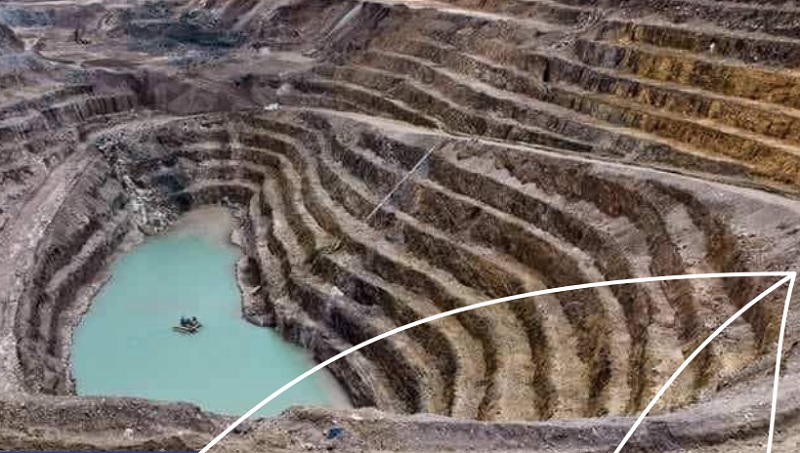
Green mining is a myth: EU must slash resource consumption by two-thirds. New analysis suggests the EU must ditch plans under its European Green Deal to increase mining and set hard limits to the natural resources it extracts in order to prevent human and ecological disaster.
European Green Deal plans will fail to stop runaway mining, creating further permanent damage to the environment and wreaking havoc on human rights. The EU must reduce extraction of natural resources by 65%, according to a new study released today by Friends of the Earth Europe and the European Environmental Bureau. [1]
The report shows that the EU is already extracting and consuming a dangerous proportion of the world’s limited resources, with serious consequences:
– The EU material footprint [2] is currently 14.5 tonnes per capita, about double what is considered a sustainable and just limit, and well over the global average.
– The EU alone already uses between 70% and 97% of the global environmentally ‘safe operating space’ related to resource extraction impacts. Any resource extraction beyond this ‘safe’ threshold threatens the stable functioning of the earth’s biophysical systems.
– More environmental defenders are killed for opposing mining than opposing any other industry. 50 of the 212 environmental defenders killed worldwide in 2019 were campaigning to stop mining projects.
Yet European Green Deal plans are continuing on the path of ‘consumption as usual’, meaning enormous increases in mining for certain metals and minerals. For example batteries, primarily for electric vehicles, are predicted to drive up EU demand for lithium by almost 6000% by 2050.
Supplying such demand will inevitably lead to scarcity, conflicts and destructive mining, closely resembling social and environmental harms from digging up fossil fuels. The answer here is not simply to replace cars running on fossil fuels with electric cars – it is to also reduce private car use overall. [3]
These issues demonstrate that the green transition must be used as an opportunity to tackle the root causes of the broader climate and environmental crises – an economic system which drives overconsumption and social inequities in all sectors. As an urgent first step, the EU must set a material footprint reduction target of 65%.
Meadhbh Bolger, Resource Justice Campaigner at Friends of the Earth Europe said: “The EU has a history of passing weak laws which fail again and again to reduce the amount of natural resources we consume, putting the remaining parts of the natural world and many communities under apocalyptic stress. The reason is simple: the laws are all predicated on economic growth, which is not compatible with a sustainable future. The EU needs to wake up and set a headline target to cut material use by two-thirds so that the European Green Deal doesn’t become another footnote in the history of the destruction of the planet.”
Diego Marin, Associate Policy Officer for Environmental Justice at the European Environmental Bureau said: “Recognising that we cannot mine our way out of the climate crisis means that we need to stop the growth frenzy. It is as if current policies were driving a bus toward a cliff edge and the passengers were arguing about whether the bus should run on electricity or fossil fuels, when the more urgent question we should be asking is how we can stop the bus from plummeting down the cliff in the first place. End of pipe solutions alone no longer cut it, we need to tackle the many issues with the linear take-make-use-lose economy at the very source”
[1] The report analyses various policies under the European Green Deal including the Circular Economy Action Plan, Raw Materials Strategy, trade policies and human rights legislation. It focuses on mining of metals and metallic minerals.
[2] Total consumption of fossil fuels, biomass, metals and non-metallic minerals, including embodied in imports
[3] The mining industry and governments must also stop attempts to greenwash mining, using the fact that certain metals and minerals are key for green technologies to greenwash the metal mining industry in general and promote the nonsensical concept of ‘green mining’. Metals like copper, iron and aluminum are overwhelmingly used in construction and other industries, such as the destructive military sector.
The European Environmental Bureau (EEB) is Europe’s largest network of environmental citizens’ organisations, standing for environmental justice, sustainable development and participatory democracy. Our experts work on climate change, biodiversity, circular economy, air, water, soil, chemical pollution, as well as policies on industry, energy, agriculture, product design and waste prevention. We are also active on overarching issues as sustainable development, good governance, participatory democracy and the rule of law in Europe and beyond.
We have over 160 members in over 35 countries.
EC register for interest representatives: Identification number 06798511314-27
International non-profit association – Association internationale sans but lucratif (AISBL)
Cold chains energy efficiency for the food and beverage sector. ICCEE, a project funded by the Horizon 2020 programme, launches several tools and platforms developed by the project partners these past months, all with one goal: increasing the energy efficiency and sustainability culture of industrial companies, warehouse, cold storage and logistic operators, providing keys to improve their core business by easily revising their operations.
ICCEE is a 3-year project launched in September 2019 and funded by the European programme Horizon 2020, which aims at turning energy efficiency opportunities of food and beverage companies into actual investments and allowing them to find opportunities to improve the cold chain with a holistic approach.
With this aim, a full capacity building programme dedicated to improving the energy performance through direct training and e-learning was designed and created by a team of experts coming from both the private and public sector. The trainings, organised all across Europe since 2020, have allowed to engage a lot of stakeholders from the value chain. To share knowledge on industrial refrigeration energy efficiency and increase the number of participants receiving this knowledge, an e-learning platform was launched by ICCEE, available on the project website.
8 more interactive and digital EU workshops are now in the pipeline until end of 2021, to introduce stakeholders some of the tools developed to further support the industry on their path to sustainability and increased energy efficiency and allow them to put them to use. Each workshop will define in depth the three main energy efficiency measures resulting from the tools’ application, as well as the funding opportunities to finance them. They will also allow to focus on one subsector: beverage, dairy products, fish, frozen food, fruits and vegetables, meat, and HORECA.
The 6 ICCEE tools, just released on the project website, allow users to add their own data and sector characteristics, to carry out benchmarking and what-if analyses to reduce uncertainties and risks, evaluate the cost-benefits of energy efficiency measures across the supply chain through an holistic approach, prioritize measures to improve the economic and energy performance of the whole supply chain, assess non-energy benefits, such as enhanced competitiveness, reduced maintenance, improved working environment, and finally be informed about existing funding opportunities for energy efficiency measures. Tutorial videos are provided to navigate the users through the tools and allow them to upgrade their skills.
Another platform, the Industry Informative Network, was created to increase stakeholder exchange, fostering the link between various market stakeholders and bridging the gap between demand and supply. It comprises three sections: a community of practitioners for discussion, a library and a technical repository to bridge the gap between market supply and demand – the catalogue of innovations. The platform will be populated over time with manuals, brochures, technical notebooks and other available information on legislative and technical developments for the cold supply chains in the food and beverage sector and invites stakeholders to contribute.
Finally, two major project events have been announced where stakeholders will hear about these tools and the project work: the first event, October 19, builds on the results of 7 EU-funded projects: DEESME, E2DRIVER, INNOVEAS, SMEmPOWER, SPEEDIER, ICCEE and Triple-A, and is part of the European Sustainable Energy Week extended programme. It is organised as mid-term event of ICCEE and will provide
The ICCEE project has received funding from the European Union’s Horizon 2020 research and innovation programme under grant agreement no. 847040, guidelines and good practices to implement energy efficiency solutions, focusing on the challenges, opportunities, new forms of actions and regulations to enhance the role of SMEs in energy transition.
The project final conference will be organised during the World Sustainable Energy Days, in Wels, Austria, beginning of March 2022.
ICCEE (Improving Cold Chain Energy Efficiency, Sept 2019 – August 2022) will facilitate SMEs in the cold chains of the food and beverage sector to undertake energy efficiency measures (EEMs) after carrying out supply chain energy audits. The focus on the cold chains of the sector is due to the significant energy requirements (refrigerated transport, processing and storage) with large potentials for savings. The implementation of an holistic approach, shifting from the single company perspective to the chain assessment, lead to increased opportunities for EEMs. To enable the update of EEMs, ICCEE will a) implement and apply an analytical energy efficiency tool to support and facilitate decision-making at different company organisational levels and b) launch a capacity building program towards staff and relevant stakeholders and a community dedicated to support a change in energy culture of the sector. The feasibility of EEMs will be evaluated by considering economic, environmental and social impacts encompassing their entire life cycle and the entire supply chain. Non-energy benefits and behavioural aspects will also be addressed and recommendations on financing schemes for SMEs will be assessed.

Economia Circolare: 200 nuove professioni. Il rapporto Randstad Research: il primo censimento aperto sulle professioni dell’economia circolare. Profili ibridi con competenze tecniche e trasversali in costante connessione tra loro. Urgente il rilancio del sistema di istruzione-formazione per ricoprire questi ruoli
“Designer circolare”, “gestore della logistica inversa”, “esperto di blockchain per la sostenibilità”, “tecnico di gestione della filiera”, “carrellista digitale”, passando per l’imprenditore e per gli ingegneri gestionali che dovranno guidare le aziende nell’innovazione.
Sono oltre 200 (e in continua crescita) le nuove professioni dell’economia circolare, censite nella nuova indagine di Randstad Research, il centro di ricerca sul lavoro del futuro promosso da Randstad, che ha realizzato il primo repertorio in questo ambito come strumento di orientamento per le aziende e lavoratori.
L’economia circolare è il paradigma chiave per una transizione alla sostenibilità ambientale e sociale, la sfida urgente e decisiva del post-Covid e di cui ormai sono sempre più consapevoli consumatori, imprese e gli operatori pubblici; è un paradigma in gran parte ancora da attuare, che punta a ridurre – fino ad eliminare – la produzione di scarti attraverso le innovazioni che ne consentano l’utilizzo e il riutilizzo.
Le professioni coinvolte richiedono un mix di conoscenze “ibride”, sia tecnico-scientifiche specifiche dell’ambito di riferimento, sia trasversali, come la capacità di fare squadra, l’apertura al cambiamento, la capacità di aggiornarsi continuamente e doti relazionali, in connessione costante con i contesti in cui operano. Ed evidenziano un ostacolo che va superato: l’insufficienza di persone adeguatamente preparate per ricoprire questi ruoli, con il rischio di esasperare nei prossimi anni la cronica difficoltà di reperimento di personale.
Le costellazioni rappresentano la metafora proposta da Randstad Research per disegnare le squadre che, in ogni ambito, devono affrontare gli aspetti specifici di questa sfida. Le nuove professioni ibride richiedono infatti una nuova organizzazione del lavoro.
Il modello fordista, entrato in crisi dagli anni ’90, viene definitivamente superato nella circolarità, perché la segmentazione delle mansioni lavorative fa posto al collegamento tra queste. È scorrendo le diverse connessioni che si evidenziano delle vere e proprie “costellazioni” di professioni che viaggiano vicine, rapportandosi tra di loro e permeandosi di conoscenze le une con le altre.
In questo senso, le competenze del curriculum di studi di ciascuna professione vanno integrate trasversalmente con quelle relative ai temi della circolarità e della sostenibilità, ed in secondo luogo con le conoscenze che permettono di rapportarsi con i “compagni di viaggio”.
Nel repertorio aperto delle professioni dell’economia circolare, Randstad Research ha rappresentato 15 costellazioni, a cominciare per esempio da quella dell’agricoltura: per ogni professione viene segnalata la costellazione di riferimento, poi le professioni e le costellazioni con le quali si ibrida. Ogni costellazione è costituita da professioni centrali, professioni specialistiche (presenti solo in alcuni tipi specifici di aziende) e professioni emergenti trasversali.
“È necessario sostenere lo sviluppo dell’economia circolare evitando ‘colli di bottiglia’ nelle risorse umane – avverte Daniele Fano, Coordinatore del comitato scientifico di Randstad Research -. Nei prossimi mesi, in cui l’Italia sarà impegnata nella transizione sostenibile, è destinato ad aggravarsi il problema del “matching”, la difficoltà a riempire i posti vacanti che già oggi ci affligge. Il nostro sistema formativo deve attrezzarsi rapidamente per formare il capitale umano che nei prossimi anni dovrà programmare, realizzare e gestire tecnologie e servizi dell’economia circolare. ll PNRR, con la forte spinta agli ITS, come quelli erogati dalla Fondazione Tech Talent Factory di cui fa parte Randstad, può essere l’occasione per rilanciare tutti i percorsi tecnico-professionali di cui c’è urgente bisogno. Ma è necessario moltiplicare l’accesso dei giovani agli ITS, insieme a un ampio piano ‘shock’ per la formazione e l’istruzione, dalla scuola materna alla formazione continua”.
Le competenze dell’economia circolare
L’economia circolare richiede nuove professioni o la re-invenzione di professioni tradizionali. Innanzitutto, nel settore manifatturiero del riciclo (che conta in Italia 93.00 occupati), ma anche in molti altri. Ha bisogno di designer dei cicli di produzione e consumo, di imprenditori e di ingegneri gestionali che diano senso a questi processi, di operatori a tutti livelli chiamati a separare e ricombinare i prodotti e di molte professioni attigue, a seconda dell’innovazione introdotta.
Dall’analisi delle competenze richieste, nelle oltre 200 professioni individuate, sono fondamentali principalmente le conoscenze tecnico-scientifiche, lo spirito di progettazione, l’attitudine al cambiamento, la capacità di gestione e di controllo, la conoscenza delle norme, la vocazione alla comunicazione e al coordinamento. E poi ci sono le competenze trasversali che variano a seconda della professione. Sono ricorrenti soprattutto la capacità di lavorare in squadra, di capire i trend emergenti, la flessibilità, la capacità di rapportarsi con persone interne ed esterne. Sono profili “ibridi” che richiedono conoscenze più ricche del comune e una maggiore capacità di mettersi “in connessione” con altre professioni.
Randstad Research Italia (RRI) è un centro di ricerca del gruppo Randstad, nato all’inizio del 2019. L’Istituto sorge da una serie di constatazioni rivolte all’attuale mondo del lavoro. Si tratta di una realtà indipendente con un Comitato scientifico composto da studiosi ed esperti di lavoro e formazione.
Randstad Research Italia divulga le proprie ricerche con cadenza annuale, trimestrale e mensile, attraverso paper, note e contributi occasionali di ricerca.
Gli aspetti oggetto di indagine sono suddivisi in un’area core, rappresentata dall’analisi delle professioni richieste per il futuro, più alcune aree satellite, composte da focus settoriali, partnership e dalla valorizzazione di ricerche e notizie di terzi a cui si desidera fornire visibilità.
Efficienza Energetica cresce, nonostante le generali difficoltà produttive quotidiane. È quanto ho verificato come moderatore delle tre Tavole Rotonde a IT’S ALL ENERGY EFFICIENCY, dalle testimonianze dei protagonisti attivi nei settori più diversi, tutti focalizzati al taglio degli sprechi energetici, utilizzando sì le tecnologie, ma anche e soprattutto le competenze e la passione. Le esperienze hanno evidenziato parole chiave, esempi come modello e slogan stimolanti.

Inconsapevolezza crisi climatica: ricerca Epson: allarmante il divario tra percezione del clima e realtà dell’emergenza. Un sondaggio di Epson rivela un allarmante divario in merito alla percezione della reale situazione climatica: il 46% delle persone crede che eviterà la crisi climatica nel corso della propria vita
Anticipando il vertice COP26, in programma a Glasgow (Scozia) in novembre, Epson annuncia i risultati del suo Climate Reality Barometer (Barometro sulla Realtà Climatica).
Il sondaggio raccoglie esperienze e percezioni globali sui cambiamenti climatici: hanno partecipato 15.264 persone da 15 Paesi (1), tra cui l’Italia. La ricerca di Epson scopre un divario potenzialmente pericoloso tra la realtà climatica e la comprensione dei suoi effetti catastrofici.
L’obiettivo dell’Epson Climate Reality Barometer, pensato per inquadrare il dibattito in occasione del COP26, è sensibilizzare l’opinione pubblica sull’impatto dei cambiamenti climatici, influenzare decisioni aziendali importanti e informare meglio i decisori.
Il divario con la realtà: c’è ottimismo nonostante le evidenze
Quando sono state poste domande sulla capacita` del genere umano di evitare una crisi climatica nel corso della loro vita, quasi la metà degli intervistati (46%) ha affermato di essere “molto” o “abbastanza” ottimista. Questo dato supera in modo significativo il 27% di coloro che si dichiarano molto o abbastanza pessimisti.
Il quadro europeo (Francia, Germania, Italia, Spagna e Regno Unito) suggerisce una visione più equilibrata.
In Europa l’ottimismo generale sulla capacità di evitare una crisi climatica scende al 39%, rispetto al pessimismo che sale al 33%. Mentre i francesi sono i più ottimisti (42%) e gli spagnoli si rivelano i più pessimisti (39%), il 38,8% degli italiani si dichiara ottimista contro un 34,1% che afferma di essere pessimista.
Nel complesso, i motivi più comuni a sostegno di questo ottimismo sono la crescente consapevolezza dell’opinione pubblica sui cambiamenti climatici (32%), la capacità della scienza e della tecnologia di fornire soluzioni (28%) e la transizione verso le energie rinnovabili (19%).
In termini globali, il 5% degli intervistati ritiene che non vi sia affatto un’emergenza climatica, con la Germania (7%) e il Regno Unito (6%) in cima all’elenco dei negazionisti climatici europei.
Per quanto riguarda l’Italia, gli ottimisti sono guidati soprattutto dalla convinzione che le persone sono più consapevoli dei pericoli del cambiamento climatico (32,9%) e che scienza e tecnologia permetteranno di risolvere i problemi (26,9%) oltre che dalla ricaduta positiva che avrà la riduzione nell’uso di combustibili fossili come il carbone a favore di fonti rinnovabili come l’energia eolica (23,3%).
I pessimisti sono invece guidati principalmente dalla convinzione che le persone non sono consapevoli dei pericoli del cambiamento climatico (52,2%), dalla sensazione che c’è una mancanza di azioni da parte del governo (23,1%) e dall’idea che il passaggio a fonti di energia rinnovabile non sarà abbastanza veloce (14,8%).
Il Gruppo intergovernativo di esperti sul cambiamento climatico (Intergovernmental Panel on Climate Change, IPCC) indica che ci vorranno millenni per invertire alcuni cambiamenti climatici causati dall’uomo (2) e, data una serie di eventi – tra cui la massima temperatura europea fatta registrare (3) in Italia, gli incendi boschivi in Francia e Spagna (4) e le alluvioni (5) in Germania – i risultati del Barometer suggeriscono un trionfo dell’ottimismo in rapporto alle evidenze e un pericoloso divario rispetto alla reale situazione climatica.
Henning Ohlsson, Director of Sustainability, Epson Europe, ha dichiarato: “L’emergenza climatica è davanti agli occhi di tutti ed è davvero preoccupante che così tante persone non ne riconoscano l’esistenza, o addirittura la neghino. E’ un campanello d’allarme per tutti, governi, aziende e singoli cittadini, affinchè tutti collaborino in modo che il vertice COP26 prenda le decisioni e ispiri le azioni necessarie per mitigare i cambiamenti climatici”.
Fare i conti con la realtà: la comprensione di fronte all’azione
Il Barometer suggerisce che l’ottimismo può essere il risultato di un’incapacità di riconoscere i cambiamenti climatici e, pertanto, di comprenderne la portata.
Oltre tre quarti degli intervistati (77%) vedono un collegamento tra i cambiamenti climatici e l’aumento delle temperature globali, le condizioni meteorologiche estreme (74%) e gli incendi boschivi (73%). Al contrario, la consapevolezza scende a poco più della metà per eventi come le carestie (57%), le migrazioni di massa (55%) e le epidemie di insetti (51%). In Europa il clima nazionale sembra essere rilevante, con la Germania che fa registrare il 73% di consapevolezza delle temperature piu` elevate, mentre (forse comprensibilmente) questo dato sale all’84% in Italia.
Molti ritengono che la responsabilità di affrontare l’emergenza ricada su stati e industrie. Tra gli intervistati, più di uno su quattro (27%) identifica i governi e il 18% le aziende come “più responsabili”. Quasi il 18% riconosce la responsabilità personale. Un dato incoraggiante è che il maggior numero di intervistati identifica la responsabilità come collettiva (31%).
In Italia il Barometer mostra che i principali tre eventi maggiormente associati al cambiamento climatico sono: le temperature più alte (83,8%), la riduzione delle calotte glaciali (81,1%) e la maggiore siccità (80,8%); i meno riconosciuti sono invece: le migrazioni di massa (49,8%), le epidemie di insetti (51,7%) e le carestie (55,8%).
Anche se diverse persone sono disposte a modificare il proprio stile di vita per affrontare la crisi, alcune non prendono l’iniziativa. Il Barometer mostra che: il 65% e` d’accordo a ridurre i viaggi di lavoro e di piacere (già la fa o ha in programma di farlo), ma solo il 40% lo ha fatto; il 68% concorda di passare ai veicoli elettrici, ma solo il 16% lo ha fatto; e il 58% concorda di adottare una dieta vegetariana, ma solo il 27% lo ha fatto. Se si considerano scelte relativamente semplici, come evitare marchi non sostenibili, anche se il 63% e` d’accordo, solo il 29% ha già cambiato le proprie abitudini di acquisto.
La realtà per le aziende: il momento di agire è adesso
Il Climate Reality Barometer suggerisce che, per molti, la crisi climatica rimane qualcosa che non li interessa direttamente.
Poichè il sondaggio rivela che solo il 14% degli intervistati riconosce le maggiori responsabilità di affrontare l’emergenza climatica da parte delle grandi aziende e solo il 3% pensa siano invece delle piccole imprese (meno del 5% dei negazionisti dei cambiamenti climatici), suggerisce anche che tutte le aziende, a prescindere dalle dimensioni, devono iniziare a svolgere un ruolo più importante.
Le aziende possono offrire alle altre imprese e ai consumatori soluzioni sostenibili a supporto delle innovazioni. Epson, ad esempio, ha sviluppato iniziative volte a ridurre l’impatto ambientale da parte dei clienti attraverso l’uso di tecnologie di stampa a freddo ad alta efficienza energetica; e la Ricerca e Sviluppo della società sta lavorando sulle tecnologie ambientali, come materiali di derivazione naturale (non plastici).
Oltre all’innovazione di prodotti e materiali, le aziende possono fare una grande differenza promuovendo e dimostrando responsabilità in merito al climatica. Epson si e` prefissata l’obiettivo di passare al 100% di elettricità rinnovabile e si è impegnata in iniziative come il progetto RE100 per le energie rinnovabili. Inoltre, ha lavorato per chiudere il “ciclo di risorse” promuovendo, ad esempio, il ricondizionamento e il riutilizzo dei prodotti; e ha sottoscritto partnership ad alto impatto, come quella il con National Geographic per proteggere il permafrost (6)
In Europa, la Spagna pone la massima enfasi sulla responsabilità del governo (31%). Il Regno Unito registra il dato più basso per la responsabilita` aziendale (16%) e la Germania il più elevato (27%). Gli intervistati francesi riportano il più alto senso di responsabilità personale (23%), mentre il più basso e` stato registrato in Germania (11%). Il Regno Unito e` al primo posto nella classifica europea di chi crede nella responsabilità collettiva (34%); l’Italia, invece, e` all’ultimo posto (23,6%).
Yasunori Ogawa, presidente di Epson, ha commentato: “La scoperta del divario in merito alla reale situazione sul clima dimostra che la consapevolezza, unita all’azione, sara` fondamentale per affrontare l’emergenza. L’obiettivo di Epson e` farsi portavoce di questa consapevolezza e offrire le tecnologie necessarie, sia per la nostra azienda che per le altre aziende e i consumatori, per apportare cambiamenti drastici. La sostenibilità è fondamentale per il nostro business plan ed e` supportata da risorse significative, perche? anche se sappiamo che c’e` ancora molta strada da fare, crediamo di poter costruire un futuro migliore”.
(1) I partecipanti del Barometer erano residenti in Australia, Brasile, Cina, Corea del Sud, Francia, Germania, Giappone, India, Indonesia, Italia, Regno Unito, Singapore, Spagna, Stati Uniti e Taiwan.
(2) https://www.ipcc.ch/2021/08/09/ar6-wg1-20210809-pr/
(3) https://www.meteoweb.eu/2021/08/caldo-senza-precedenti-49c-a-siracusa-nuovo-record-italiano-ed-europeo/1713361/
(4) https://www.bloomberg.com/news/articles/2021-08-17/wildfires-burn-in-france-and-spain-after-heatwaves
(5) https://edition.cnn.com/2021/08/23/europe/germany-floods-belgium-climate-change-intl/index.html
(6) https://www.epson.it/insights/article/in-collaborazione-con-la-national-geographic-society-epson-presenta-la-campagna-turn-down-the-heat
Gruppo Epson
Epson è leader mondiale nel settore tecnologico e si impegna a cooperare per generare sostenibilità e per contribuire in modo positivo alle comunità facendo leva sulle proprie tecnologie efficienti, compatte e di precisione e sulle tecnologie digitali per mettere in contatto persone, cose e informazioni.
L’azienda si concentra sullo sviluppo di soluzioni utili alla società attraverso innovazioni nella stampa a casa e in ufficio, nella stampa commerciale e industriale, nella produzione, nella grafica e nello stile di vita. Entro il 2050 Epson diventerà carbon-negative ed eliminerà l’uso di risorse naturali esauribili quali petrolio e metallo.
Guidato da Seiko Epson Corporation con sede in Giappone, il Gruppo Epson genera un fatturato annuo di circa 1.000 miliardi di Yen (circa 7,5 miliardi di euro).

Luce alla Dolcezza. SMARTEFFICIENCY per ILLUMINAZIONE. Deco Industrie, proprietaria di Italiana Biscotti, si è avvalsa della consulenza di SmartEfficiency per la riqualificazione illuminotecnica dei propri stabilimenti di Bagnacavallo (RA), Forlì (BO) e Zerbinate di Bondeno (FE).
Italiana Biscotti a Zerbinate di Bondeno (FE), che la cooperativa già gestiva dal 2012, è stata acquisita totalmente dal Gruppo Saltari nel gennaio 2021.
(altro…)

Retail alliances vital for consumers. Commenting on the creation of the new Epic Partners retail alliance, EuroCommerce Director-General Christian Verschueren said: “This new development demonstrates the important role retail alliances play in supporting competition and providing better prices and more choice to consumers. The efficiencies and synergies in sourcing in the EU single market can help balance the significant market power of multinational brand suppliers who operate across the globe. As we have seen recently, these large manufacturers are again piling on pressure, sometimes even collectively, for unreasonable price increases. Alliances are consumers’ best allies at a time when many families are still feeling the impact of the COVID pandemic. These alliances help address the impact of manufacturers’ active fragmentation of the single market, which is costing consumers at least €14 billion a year.”
The new alliance will negotiate contractual arrangements for complementary international services and marketing activities with the largest international brand manufacturers, with a focus on packaged processed products.
Vegetables, fruits and unprocessed foods are not part of these activities, and the alliance will have no dealings with SME suppliers or farmers.
The Commission has on numerous occasions recognised the pro-competitive role that retail alliances play within the strict boundaries set in competition rules, including a recent report by the European’s Joint Research Centre which underlined their positive role in increasing consumer welfare.
A few facts to provide context behind retail alliances:
– Europe’s retailers and wholesalers operate in a limited number of countries, with high fixed costs and low and decreasing net margins, typically around 1-3%. The global manufacturers seeking to undermine the role of alliances, on the other hand, still enjoy net margins of 15-30% – ten times those of retailers – and their margins continue to increase.
– Individually, retailers’ purchases from a global brand supplier make up no more than a tiny fraction of that large brand’s global sales (normally well below 5%).
– In many product categories, an individual manufacturer holds a significant position on the relevant market, and this should be the criterion for judging relative bargaining power.
– The imbalance in negotiating power is directly reflected in large manufacturers’ repeated and unreasonable demands to retailers for often double-digit price increases, and the suspension of deliveries if these demands are not met, along with restrictions on the free movement of goods. The Commission is currently conducting investigations of abuse of market power and breach of other competition rules by a number of manufacturers in relation to retailers and distribution.
– The new Epic Partners alliance brings together Edeka (Germany), ICA (Sweden), Jeronimo Martins (Portugal), Magnit (Russia), Migros (Switzerland) and Picnic (Netherlands). The partners involved are represented with their stores in a total of 10 European countries.
EuroCommerce is the principal European organisation representing the retail and wholesale sector. It embraces national associations in 28 countries and 5 million companies, both leading global players such as Carrefour, Ikea, Metro and Tesco, and many small businesses. Retail and wholesale is the link between producers and consumers.
Over a billion times a day, retailers and wholesalers distribute goods and provide an essential service to millions of business and individual customers. The sector generates 1 in 7 jobs, offering a varied career to 26 million Europeans, many of them young people. It also supports millions of further jobs throughout the supply chain, from small local suppliers to international businesses. EuroCommerce is the recognised European social partner for the retail and wholesale sector.
ph. © Enrico Rainero